

cropper
update
Refreshing Pro Wash LLC
cropper
update
  • Homepage
  • Subscribe
  • Contact Us
  • update
  • update
  • update
  • update
  • update
  • update
  • update
  • All Posts
  • Residential Cleaning Tips
  • Commercial Cleaning Advice
  • Seasonal Maintenance Tips
  • How-To Guides
  • Residential Cleaning Services
  • Commercial Cleaning Services
  • Pressure Washing Techniques
  • DIY Cleaning Advice
  • Industry News and Updates
  • Client Success Stories
  • Eco-Friendly Cleaning Solutions
  • Frequently Asked Questions (FAQs)
  • Community Engagement
June 18.2025
1 Minute Read

How to Clean a Fence Before Staining for Perfect Results

Ever wondered why your fence stain doesn’t last as long as you’d hoped or fails to deliver those rich, beautiful colors? You might be making a simple but common mistake—cleaning your wooden fence improperly before staining. Proper fence preparation turns an average weekend project into a long-lasting, professional result. Dive into this guide to unlock the secrets on how to clean a fence before staining and transform your curb appeal for years to come!

Are You Making This Common Mistake When Learning How to Clean a Fence Before Staining?

Many homeowners rush through their fence staining projects, not realizing that skipping or hastily cleaning the wood fence is the leading cause of faded, blotchy, or short-lived stains. Whether you’re tackling an old wooden fence or working with treated wood, failing to remove dirt, grime, and mildew means your fence stain simply won’t adhere properly. This can leave your hard work vulnerable to the elements—including UV damage and moisture—causing premature peeling or fading.

Another frequent error is using too much pressure while using a power washer or pressure washer, which can damage delicate wood fibers. Overlooking crucial steps in cleaning not only decreases your fence’s appearance but also jeopardizes the effectiveness of your fence stain. Understanding the correct cleaning process is the key to showcasing rich, vibrant stain colors and securing protection for the long term on your wood fence.
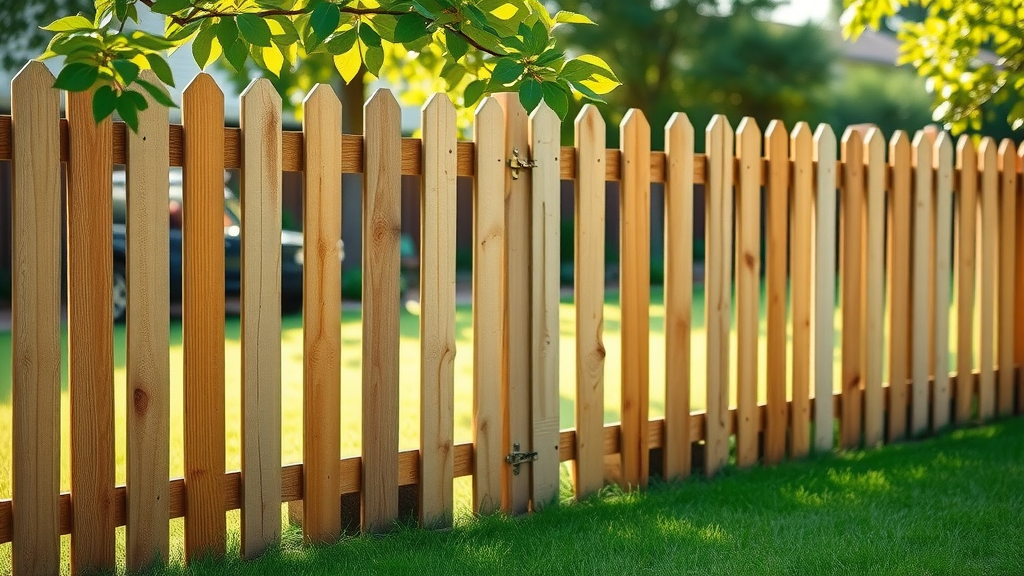
well-maintained backyard wooden fence clean for how to clean a fence before staining, lush lawn, and soft morning light

Understanding Why Proper Cleaning Is Vital for Wooden Fence Staining

Proper cleaning isn’t just a preliminary step; it’s the groundwork for exceptional fence staining results. Dirt, old stains, mold, and algae inhibit the ability of a new stain to penetrate and adhere to the wood. If your wooden fence remains dirty or damp before applying a stain, you risk trapping contaminants underneath, which can cause accelerated aging, moisture retention, and even rot. Clean, dry wood ensures that every layer of fence stain bonds fully and evenly.

Skipping this vital step exposes your investment to rapid UV damage and discoloration. A well-cleaned wood fence acts as a blank canvas, sustaining the beauty of your chosen stain color and lengthening the period before any re-staining is necessary. Whether using an oil-based stain or water-based stain, the science is clear—remove the obstacles first, and your fence will reward you with years of curb appeal and protection.

Overview: How to Clean a Fence Before Staining—A Step-by-Step Guide

Cleaning a wooden fence before staining isn’t complicated—but doing it right is essential. This step-by-step checklist provides a practical blueprint so you can achieve professional results without frustration:

  • Step 1: Inspect the wood fence for damage or mold
  • Step 2: Remove surface debris and old stain
  • Step 3: Choose your cleaning solution
  • Step 4: Pressure wash or hand clean your fence
  • Step 5: Allow thorough drying
  • Step 6: Inspect and sand rough spots
  • Step 7: Fence staining preparation tips

With each phase, you’ll uncover how to care for your unique fence—whether aged, newly installed, cedar, pine, or treated wood—so the final fence stain shines through, making for a durable, professional finish every time. For hands-on tips and techniques, don’t miss our dedicated sections on both power washing and manual cleaning methods for your wooden fence.
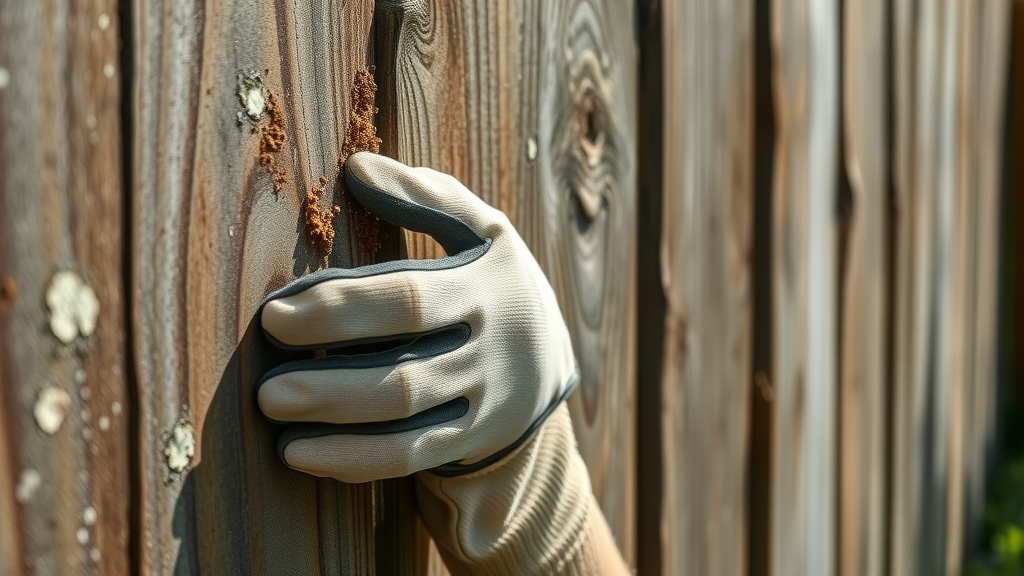
hands inspecting a wooden fence for debris how to clean a fence before staining macro fade stains and mold

What You’ll Learn in This Guide to Cleaning a Fence Before Staining

  • The best ways to clean a wooden fence
  • How to use a pressure washer for fence cleaning
  • Choosing cleaners for wood fences
  • What to avoid for perfect results
  • How fence staining is improved by proper cleaning

By the end of this comprehensive article, you’ll know not just how to clean a fence before staining , but also which cleaning solution is best, which techniques make a difference, and what steps to never skip if you want a fence stain that lasts a long time and maintains stunning curb appeal.

Assessing Your Wooden Fence: Key Steps Before Cleaning

Every effective fence cleaning process starts with an inspection. Look for critical issues such as rot, warped boards, loose nails, or even surface mold. Addressing these early ensures a uniform result once you apply stain. A careful inspection also prevents accidents or injuries caused by weakened boards during pressure washing or scrubbing.

Before any water or cleaning solution touches your wood fence, repair or replace any compromised sections. Tighten loose boards, remove protruding nails, and trim nearby vegetation. Safety checks on your wood fence materials—such as verifying the structural integrity of older or treated wood—are especially important when using power washers to prevent damage and potential injury during fence cleaning.

  • What to look for (rot, warping, loose boards)
  • How to prepare your fence before using a pressure wash
  • Safety checks for wood fence materials
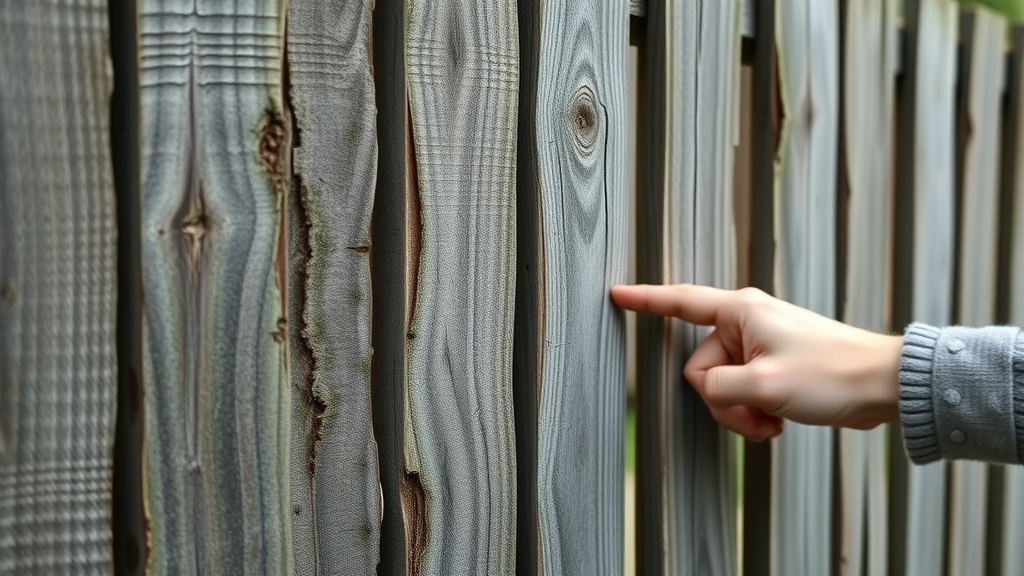
aged wooden fence with warping and loose boards how to clean a fence before staining fence cleaning safety inspection

Should You Clean a Fence Before Staining?

Absolutely—cleaning a fence before staining is a step you cannot afford to overlook. Skipping this step means the fence stain may adhere to the dirt, mildew, or residual cleaning agents instead of the wood itself, leading to a short-lived finish. Dirt and mold can also seep back through the new stain, defeating the entire purpose of refinishing your fence.

Whether you just installed new wood fences or are dealing with an aged, weathered wooden fence, washing your fence first eliminates hidden contaminants and creates ideal conditions for a lasting stain job. Think of cleaning as both a protective measure against UV damage and moisture penetration, and an essential primer for even, vibrant color. A thoroughly cleaned fence is, without a doubt, the foundation for a successful fence staining project.

How Do You Prep a Fence for Stain?

Preparation begins by removing debris, dirt, and cobwebs from every section of your wood fence. Next, use a scrub brush or gentle power washer to clean off any algae, mold, or old stain remnants. For fences with stubborn spots, a dedicated cleaning solution or diluted bleach may be required—but always check the compatibility with your fence material before use to avoid unnecessary wood damage.

  • Remove all debris, dirt, and grime
  • Assess if pressure washing is appropriate
  • Allow enough drying time for the wood fence

After cleaning, let the fence dry for at least 24-48 hours (depending on weather and humidity). Finally, inspect the wood for raised grain or splinters, sanding any rough spots, so your stain goes on perfectly smooth. These preparation steps will help maximize the effectiveness of any oil-based stain or water-based stain you choose to apply.

Best Cleaning Solutions for Wood Fence and Wooden Fence Before Staining

Choosing the correct cleaning solution for your wood fence depends on the severity and type of stains or contaminants present. For most wooden fences, an oxygenated bleach solution is highly effective, targeting organic stains without damaging the wood fibers. For fences plagued by mold or mildew, a simple vinegar and water mixture works wonders and is eco-friendly. Commercial wood fence cleaners offer a convenient, ready-made approach with balanced pH levels and surfactants designed for safe wood cleaning.

  • Oxygenated bleach solution
  • Vinegar and water for mold
  • Commercial wood fence cleaners

Always follow manufacturer instructions, test in an inconspicuous area, and rinse thoroughly to ensure no residue interferes with the fence staining results. The correct cleaning solution will effectively remove dirt and old stains, while also preparing the wooden fence for the best possible adhesion and longevity of your chosen fence stain.
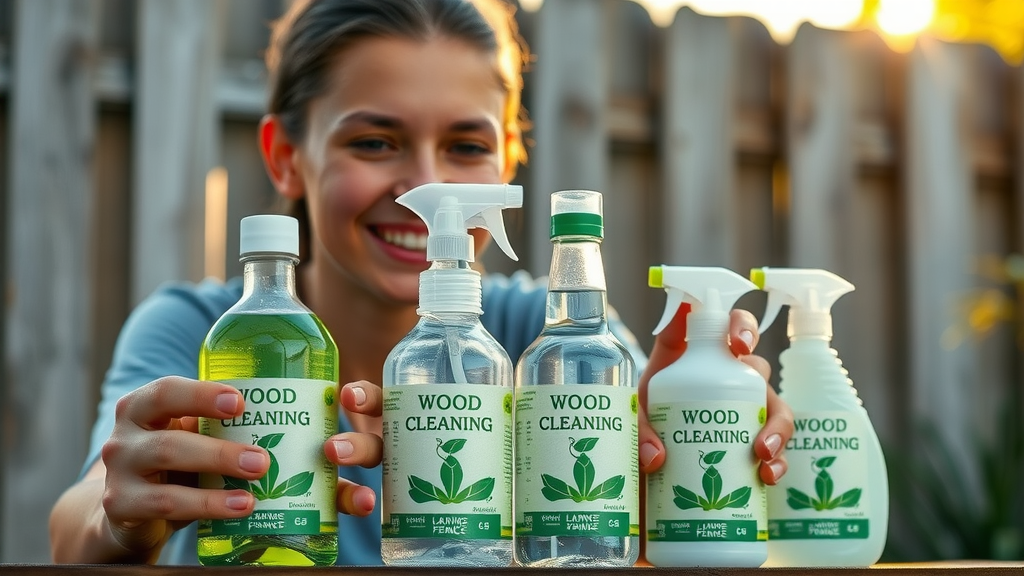
eco-friendly wood fence cleaning supplies how to clean a fence before staining green bottles and sunlight

Comparison of Common Cleaning Agents for Wooden Fence Preparation

Solution Effectiveness Application Pros Cons
Oxygenated Bleach High for organic stains and mildew Mix with water, apply with brush/sprayer Eco-friendly, deep cleans wood, non-toxic Must rinse thoroughly, more expensive
Vinegar & Water Moderate, best for light mold/algae Spray and scrub Natural, safe for plants and pets Less effective for old or heavy stains
Commercial Wood Cleaner High, specially formulated Follow label directions Quick and effective, ready to use Some contain harsh chemicals
Regular Household Bleach Removes stubborn mold Mix with water, rinse well Powerful cleaning action Can discolor wood, harm plants

How to Use a Pressure Washer to Clean a Fence Before Staining

A pressure washer is a time-saving tool for fence cleaning, but it’s crucial to use it correctly to avoid damaging wood fibers. Begin by selecting the right pressure washer—an electric model with adjustable PSI is ideal for most wood fences. Opt for a PSI level between 500 and 2000, using a 25- or 40-degree nozzle to disperse the force evenly. This helps prevent gouging the wood or undermining the fence’s structural integrity.

  • Selecting the right pressure washer
  • Best PSI and nozzle for wood fence
  • Technique for even cleaning without causing damage

Maintain a distance of 12–18 inches from the wood and move in steady, sweeping motions. Work in sections and rinse thoroughly with water. Avoid focusing the spray too long on one spot to deter etching or raised grain. Proper technique with a pressure washer leaves your wood fence refreshed and perfectly primed for fence staining.

pressure washer cleaning a wood fence fence before staining even pressure water droplets sunlight

"A meticulously cleaned wooden fence is the foundation of a beautiful, durable, and professionally finished fence stain application."

Manual Cleaning: Fence Before Staining Without a Pressure Washer

If your wooden fence is old, brittle, or has delicate wood fibers, manual cleaning is your safest option. Pressure washing can sometimes cause unnecessary damage, especially to aged or untreated wood fences. Instead, choose a stiff-bristled scrub brush and a suitable cleaning solution, such as diluted oxygen bleach or vinegar. Scrubbing by hand may take more time, but it gives you greater control for precision cleaning and minimizes splash damage to plants or landscaping.

  • When to avoid pressure washing
  • Best hand scrubbing tools
  • How to remove stubborn stains safely

To tackle tough spots or old stains, let your chosen cleaner soak into the affected areas before scrubbing vigorously. Always rinse liberally and allow the fence to dry. Manual cleaning ensures even the most weathered fence is ready for a flawless stain application—especially important when prepping for an oil-based stain or water-based stain.
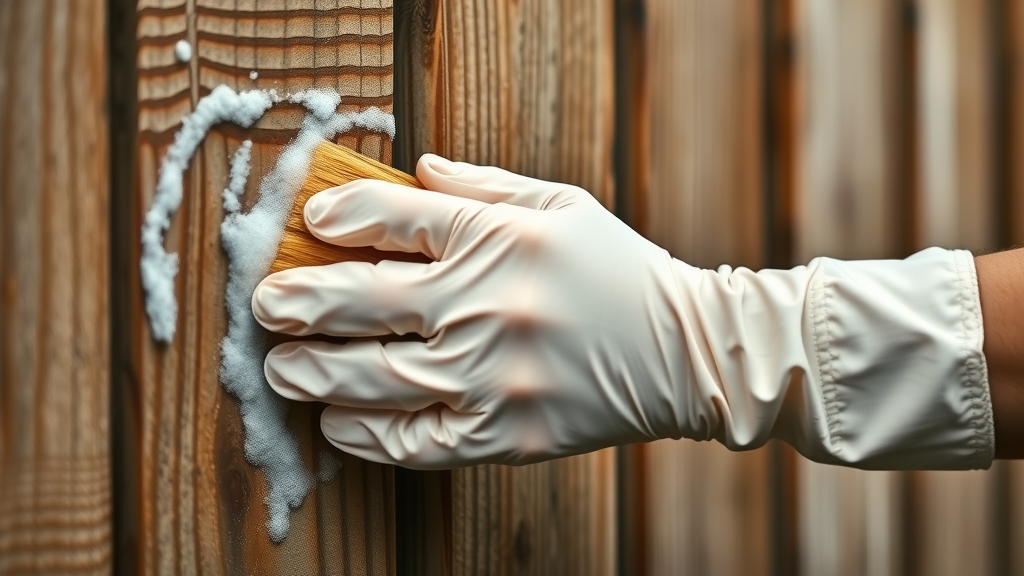
manual cleaning with gloves and scrub brush on wood fence before staining removing stubborn stains suds and wood texture

Drying Time: How Long to Wait Before Applying Fence Stain

  1. Minimum drying time after cleaning: Plan to wait at least 24–48 hours after washing your fence before applying any fence stain. Damp or humid weather may require extra time for adequate drying.
  2. Why moisture levels matter for fence staining: Moisture locked inside the wooden fence can prevent the stain from adhering or soaking in properly. This results in a blotchy appearance and reduced stain lifespan.
  3. Testing and confirming readiness for apply stain: To ensure your fence is ready, press a dry cloth against various spots of the fence. If it comes away damp, wait longer. For precision, a moisture meter reading below 15% is ideal before you apply stain.

Giving your wood fence ample drying time is crucial for a truly professional, even fence staining result. Rushing this process is a common pitfall that can undo all your cleaning efforts.

Final Checks: Preparing Your Wood Fence for Stain Application

Before you start the staining process, double-check for residual dirt or cleaning agents—especially in corners and between boards. These residues can interfere with your fence stain and leave unsightly marks. Inspect the wood for raised grain or rough patches; if necessary, lightly sand the entire surface with fine-grit sandpaper to create a smooth, consistent texture that allows the stain to adhere evenly.

  • Inspect for residual dirt or cleaner
  • Look for raised wood grain
  • Light sanding for a smooth surface

This extra attention to detail is the final step in fence preparation and ensures you achieve the flawless, professional appearance you want from your fence staining project.
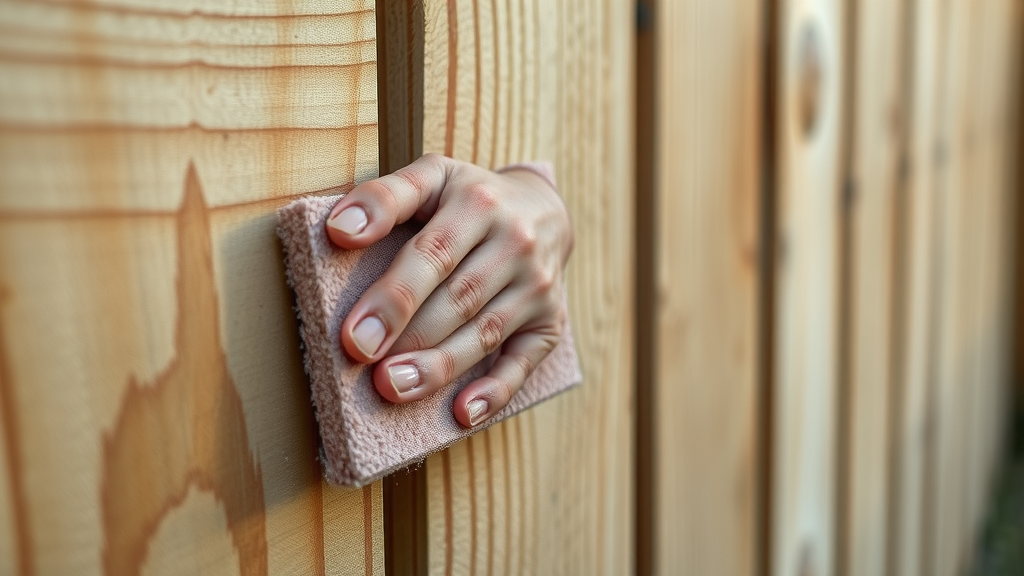
fine-grit sandpaper sanding wood fence final prep for fence stain smooth surface ready to apply stain

Fence Stain Selection: How Clean Wood Fence Impacts Color & Longevity

A clean wooden fence allows for vibrant, true colors and maximizes the longevity of your chosen fence stain. Residual dirt or dull spots can darken or mute your stain, making the result appear uneven or faded from the start. Only a spotless wood surface reveals the rich tones of oil-based stains or the natural shades of water-based options.

Moreover, professional cleaning extends the life of your fence stain by preventing premature peeling, chipping, or dulling that can occur when staining over dusty or contaminated wood. Good cleaning also means fewer maintenance cycles and a longer-lasting finish, protecting your investment from sun, rain, and daily wear.

Video Tutorial: Step-by-Step How to Clean a Fence Before Staining

Watch this in-depth tutorial showing the entire fence cleaning process—from pressure washing to manual cleaning—followed by preparation and staining tips. Clearly see the transformation on a real wooden fence, along with expert techniques and safety tips for the best outcome.

Video Walkthrough: Pressure Wash A Wooden Fence for Stunning Fence Stain Results

Discover best practices for pressure washing your wooden fence in our dedicated walkthrough. Learn the right PSI settings, nozzles, and motion techniques that ensure a gentle yet thorough clean—perfect for prepping your fence before staining for a flawless and lasting finish.

Common Pitfalls to Avoid When Cleaning a Fence Before Staining

  • Using too much pressure: Damages wood fibers and can cause splintering or gouging—especially on older wood fences.
  • Skipping drying time: Traps moisture inside the wood, resulting in uneven stain application and possible wood rot.
  • Applying stain over improper cleaning residue: Leads to blotchy or patchy finish, shortens the longevity of your fence stain, and wastes your investment.

Avoid these mistakes, and your fence will look professionally finished for a long time.

What is the Best Thing to Clean Wood With Before Staining?

The top pick for most situations is an oxygenated bleach solution . It removes dirt, algae, and most organic buildup without causing UV damage or discoloring your wooden fence. It’s safe for treated wood, cedar, and pine—just remember to rinse thoroughly and let it dry completely before applying your stain. For lighter jobs, vinegar and water can also be a good idea, while commercial fence cleaners are best when in doubt.

What is the Best Thing to Clean a Wooden Fence?

The best cleaner ultimately depends on your fence’s age, type, and the kind of grime present. For severe mold or mildew, a diluted bleach solution can be effective, but caution is needed to protect plants and avoid discoloration. Eco-friendly, oxygenated bleach solutions are safe for most wood fences, while commercial wood fence cleaners provide a one-and-done option for busy homeowners. Always follow with a thorough rinse and proper drying for optimal results before fence staining.

Frequently Asked Questions About How to Clean a Fence Before Staining

  • How often should I clean my fence before re-staining? Generally, clean your fence before each new stain—ideally every 2–3 years, or whenever you notice fading or heavy soiling.
  • Can I use household bleach? Yes, but only diluted and with caution. Rinse well to prevent wood or plant damage. Opt for oxygenated bleach solutions when possible.
  • Is sanding necessary after cleaning? Sanding isn’t always required, but a light once-over after drying can help smooth raised wood grain, especially on older fences.
  • Do I need to remove old paint/stain completely? While total removal isn’t always needed, remove loose, flaking, or patchy areas so your new stain can soak in evenly and last a long time.

Expert Recommendations for Lasting Fence Staining Results

  • Always start with a clean, dry wood fence
  • Test a small area before applying stain to the full fence
  • Re-stain regularly to keep your wooden fence protected

These expert tips ensure your fence staining efforts produce professional, long-lasting results that both look great and protect against the elements.
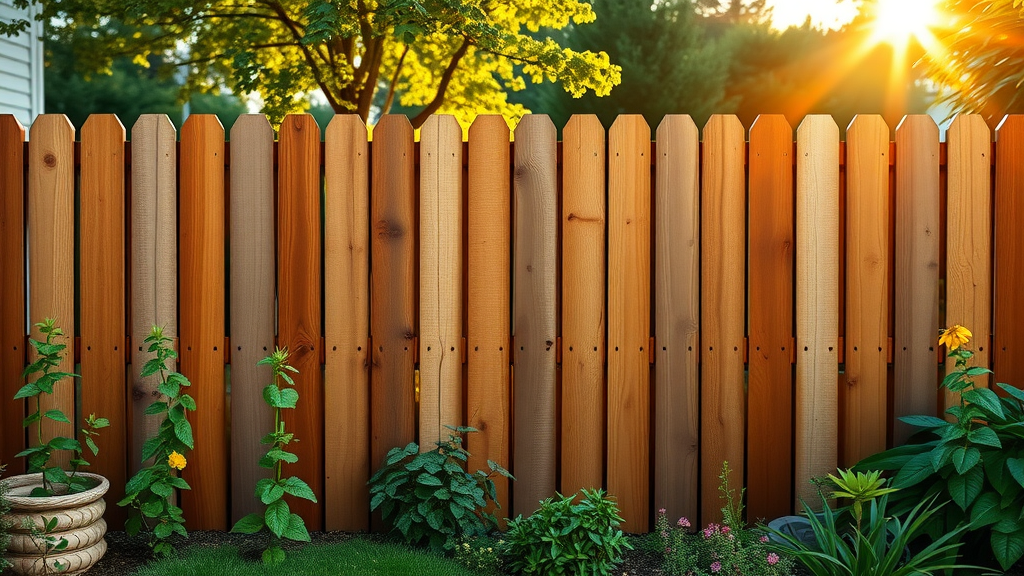
freshly stained wooden fence after cleaning how to clean a fence before staining rich finish and lush backyard golden sunlight

Ready to Transform Your Fence?

Questions? Call Refreshing Pro Wash today at (541) 636-8094 . Let our experts take the hassle—and the guesswork—out of fence cleaning and staining for you!

To ensure your fence staining project yields professional and long-lasting results, it’s crucial to start with a thoroughly cleaned surface. The article “5 Easy Ways To Clean a Wood Fence” from Lowe’s provides comprehensive methods for effectively cleaning your wooden fence, including using a stiff-bristled brush, garden hose, pressure washing, commercial wood cleaners, and household products. ( lowes.com ) Additionally, “How to make your residential fence ready for staining” by A+ Window Cleaning Services LLC emphasizes the importance of soft washing—a gentle yet effective technique that removes mold, mildew, and grime without damaging the wood fibers. ( apluswcs.com ) By following these expert recommendations, you’ll create an optimal foundation for your stain, enhancing both the appearance and durability of your fence.


Community Engagement

59 Views

0 Comments

Write A Comment

*
*
Please complete the captcha to submit your comment.
Related Posts All Posts
06.19.2025

What Is Soft Washing a House? Discover The Safe Cleaning Secret

Curious about how to keep your home looking its absolute best—without risking costly exterior damage? Soft washing a house is the game-changing, safer cleaning method top pros and savvy homeowners rely on for gleaming, like-new surfaces. In this guide, you’ll find out precisely what soft washing a house entails , why it’s winning over traditional pressure washing, and how it can deliver lasting curb appeal while protecting your investment. By the end, you’ll know exactly why countless families confidently trust this gentle approach to revitalize their homes. Unlocking the Mystery: What Is Soft Washing a House for Safer, Lasting Cleanliness? What is soft washing a house? It’s a smart cleaning solution that uses a combination of low-pressure water and specialized, eco-friendly cleaning agents to safely clean your home’s exterior surfaces. Unlike traditional power washing—which blasts away grime with intense force—soft washing is always gentle. This makes it the perfect approach for delicate materials like siding, stucco, brick, and even roof shingles. When you opt for soft washing , you’re choosing a method that not only removes unsightly stains, algae, and mold, but does so without threatening the integrity of your home’s exterior. The cleaning agents do the heavy lifting, breaking down and neutralizing contaminants at the source. The result? A home that looks vibrant and stays clean for longer, with no risk of damage from high-pressure spraying. Practical results speak for themselves—soft washing restores the original luster of your siding or brick, while also extending the lifespan of your most valuable investment. Why Homeowners Prefer Soft Washing Over Traditional Pressure Washing When it comes to defending your home’s beauty and structure, homeowners across the country are making the switch to soft washing —and for good reason. Pressure washing can cause surface damage, strip paint, break seals, and even force water into places it doesn’t belong, risking future issues like rot or mildew growth. In contrast, soft washing’s gentle approach uses advanced, biodegradable solutions that penetrate and kill microorganisms, then rinse them away without harm. More than just a safer option, soft washing offers significant economic advantages. The results last longer, meaning you won’t need repeat cleanings as often. Furthermore, by avoiding high-pressure blasts, you’re protecting everything from your siding to your landscaping. Homeowners appreciate the peace of mind that comes with knowing they’re investing in both the immediate curb appeal and the long-term health of their property. The environmental benefits also cannot be overstated. The soft washing process typically employs biodegradable formulas that are safe for your family, pets, and the environment, making it an ideal choice for eco-conscious households. For convenience, safety, cost savings, and peace of mind, soft washing proves itself the preferred method among today’s homeowners. Key Benefits of Soft Washing a House: Enhanced Curb Appeal Without Damage Safely removes dirt, mold, algae, and mildew Prevents exterior damage and prolongs surfaces Eco-friendly cleaning solutions Longer-lasting results than pressure washing How the Soft Washing Process Works: Step-By-Step Guide for Homeowners Curious how it all comes together? Soft washing a house follows a clear series of steps to ensure thorough cleaning and exceptional results, every time: Inspection and surface assessment: A professional will first inspect your home to check for problem areas such as heavy staining, mildew, or damaged surfaces that require special care. Application of specialized cleaning solutions: Safe, biodegradable detergents designed for your specific siding or roofing material are carefully applied to break down dirt, organic growth, and grime. Gentle low-pressure rinse: Using equipment set to much lower pressure than a standard power washer, the technician gently rinses away contaminants, ensuring no harm comes to paint, mortar, or sealants. Final inspection and maintenance tips: After cleaning, a final walkthrough ensures every inch is spotless. The pro may offer helpful advice to maximize the freshly cleaned look—like trimming shrubs away from siding or checking gutters for clogs. This strategic method makes soft washing a house both effective and safe, truly setting it apart from rougher techniques. Comparing Soft Washing vs Pressure Washing: Major Differences Explained A common question from homeowners is: What’s the real difference between soft washing and pressure washing? While both aim to clean exterior surfaces, their methods, materials, and long-term effects are dramatically different. Understanding those differences is key to making the best choice for your property. Whereas pressure washing uses high-pressure nozzles to blast away surface dirt, it can easily damage certain siding materials, force water beneath fascia and soffits, or degrade protective coatings. Soft washing , on the other hand, prioritizes gentle effectiveness, using specialized solutions that do most of the work—resulting in a deeper, long-lasting clean with none of the risks. Soft Washing Pressure Washing Low-pressure, gentle High-pressure, abrasive Eco-friendly solutions Water-only or harsh chemicals Prevents damage Can cause damage to surfaces Long-lasting clean May require frequent cleaning Video: See Soft Washing a House in Action Experience the transformative power of soft washing by watching real professionals at work. Notice how the low-pressure technique gently cleanses siding, brick, and roofs, while protecting your home’s structure and landscaping. Visual proof highlights why this method delivers unbeatable, lasting shine. Expert Quotes on What Is Soft Washing a House and Its Homeowner Benefits "Soft washing not only safeguards your home’s exterior but also ensures a deeper, longer-lasting clean than other methods." – Exterior Cleaning Specialist Industry professionals agree: soft washing a house is the modern, safe alternative to harsh exterior cleaning. It protects your biggest investment by combining efficacy with care, routing out growths like mildew and algae without high-pressure risks. Common Surfaces That Benefit from Soft Washing a House One of the biggest appeals of soft washing is its versatility. This method is perfect for all types of exterior materials—giving you flexibility and peace of mind. Here are the most common surfaces expertly refreshed by soft washing: Vinyl siding Stucco Brick Wood Roof shingles Because soft washing uses gentle pressure and the right solutions for each surface type, it can remove years’ worth of buildup without causing any harm. This means you can confidently clean everything from painted wood trim to overflow-prone gutters and even delicate roof features. Frequently Asked Questions about Soft Washing a House Can soft washing remove tough stains and mildew? Yes, soft washing is specifically designed to target and eradicate stubborn stains, mildew, and even algae at their root. By using specialty cleaning detergents that penetrate deep into surfaces, soft washing eliminates not just the visible grime, but also microscopic growths—delivering a transformative, lasting clean even on surfaces with persistent issues. How often should I schedule soft washing for my house? As a rule of thumb, most homes benefit from soft washing every 1-2 years. However, this depends on factors like local climate, amount of tree cover, and the presence of mold or algae. Homes in humid or shaded environments may require more frequent attention, while those in dryer climates can go longer between treatments. Regular inspections ensure the right schedule for optimal appearance and protection. Is soft washing safe for all exterior materials? In short: absolutely! Soft washing a house is safe for a wide array of exterior surfaces—including vintage brick, modern vinyl, painted wood, and shingle roofs—making it the top choice for homeowners looking to preserve their property’s character and value. It’s always best to consult with your cleaning professional first, to make certain the solutions used are tailored for your home’s particular materials. People Also Ask: What Is Soft Washing a House? What chemicals are used in soft washing a house? Soft washing typically involves a mixture of biodegradable cleaning agents , surfactants, and sometimes a small amount of sodium hypochlorite (essentially, bleach) diluted with water. The exact blend depends on the surface material and the severity of contamination. Professional soft washing companies use formulations approved for residential use, ensuring safety for both the environment and your home when used correctly. Is soft washing better than power washing? For most homes, yes. Soft washing is less abrasive, greatly reducing the risk of dislodging siding, cracking stucco, or stripping paint. Because it addresses the root causes of stains and growths—rather than just cleaning the surface—results also last much longer than those achieved with traditional pressure washing methods. How long does a professional soft wash last? A thorough soft washing can keep your home exterior looking fresh for 1-3 years. Longevity depends on local weather, exposure to sun and foliage, and surface material. Regular maintenance and prompt elimination of new growths help extend these long-lasting effects even further. Will soft washing damage my landscaping? A core benefit of soft washing is its minimal impact on landscaping. Skilled technicians take care to cover or rinse plants before, during, and after cleaning. Plus, the eco-friendly soaps used are formulated to prevent harm to shrubs, flowers, and lawns. Communicate any concerns with your provider to ensure the utmost care for your garden spaces. Your Essential Checklist: What to Expect During Soft Washing a House Clear the area around your home: Remove lawn furniture, potted plants, and fragile items to allow safe access and thorough cleaning. Close all windows and doors: Prevent water or moisture from entering inside your home by securing all openings. Discuss cleaning solutions with your service provider: Ask about the cleaning agents they plan to use and clarify any sensitivities or concerns. Post-cleaning inspection: Walk through the site with your technician to check results and confirm your satisfaction. Following this checklist ensures a seamless, stress-free experience every time you schedule soft washing for your house . Key Highlights: Why Soft Washing a House Is a Smart Investment Choosing soft washing delivers peace of mind by protecting your home from avoidable damage, saving money on future repairs, and ensuring a truly lasting clean. Its eco-friendly approach, material versatility, and proven effectiveness make it one of the smartest moves you can make for your property. Homeowners consistently report increased pride in their property, higher market value, and lower maintenance needs—all from simply opting for soft washing . Whether you’re selling soon or just want to be the envy of your block, this safe cleaning method is an unbeatable investment. Ready for a Spotless Home? Contact Refreshing Pro Wash for Expert Soft Washing Today Want your home to look immaculate and be protected for the years ahead? Preserve your property the gentle, effective way with professional soft washing. Questions? Call Refreshing Pro Wash today at (541) 636-8094 . Prefer a personalized quote or want to know more? Call Refreshing Pro Wash at (541) 636-8094 to Learn More. Choose soft washing for a cleaner, safer, longer-lasting home—contact the pros now for your free estimate!

06.18.2025

Average Cost for Gutter Cleaning: What You Must Know

Did you know that over 50% of homeowners face costly repairs from water damage caused by clogged gutters every year ? The average cost for gutter cleaning often surprises property owners—and understanding it is your first defense against bigger, more expensive problems. In this comprehensive guide, you'll discover real numbers, learn what drives cleaning costs, and get actionable advice for keeping your home (and wallet) safe. Whether you’re a new homeowner or a seasoned pro, stay with us to uncover the facts you need to know about gutter cleaning cost . The Surprising Truth Behind the Average Cost for Gutter Cleaning While many people assume that cleaning gutters is a simple, low-cost job, the average cost for gutter cleaning in the U.S. may be higher than you expect. Several variables influence what you end up paying, including home size, the type of gutter system, and geographic location. For homeowners, unexpected expenses often come from neglecting seasonal maintenance, leading to escalated cleaning costs or costly repairs down the road. We'll break down where your money goes and why investing in regular gutter cleaning pays off in the long run. Not only does the cost of gutter cleaning depend on the number of linear feet to be cleaned, but special features like gutter guards, multiple stories, or steep roofs can drive prices up. Knowing these factors helps you budget realistically and avoid sticker shock when the bill arrives. A clean gutter ensures water flows away safely, protecting your foundation and preventing potential water damage—a small investment that could spare you thousands. Discover surprising statistics about the true average cost for gutter cleaning. Understand how your home's specifics affect pricing and your bottom line. Identify the major factors—like home height, accessibility, and service type—that impact what you pay. Why Understanding the Average Cost for Gutter Cleaning Matters It's easy to overlook the gutters until they overflow or cause visible damage. But knowing the average cost for gutter cleaning is crucial for budgeting home maintenance and preventing costly repairs. Clean gutters are the unsung heroes, directing rainwater away and preserving your home’s value. Skipping this essential task can result in water damage, mold, foundation cracks, and landscaping erosion. Staying on top of cleaning gutters lets homeowners prepare for both expected and unexpected costs throughout the year. The real value in understanding cleaning costs comes from being able to weigh the expense against potential damage from clogged gutters. By grasping these budgetary basics, you gain control over your home's maintenance costs and can confidently compare gutter cleaning service quotes, knowing what drives the differences. What influences the average cost of gutter cleaning? Home size : Larger homes or those with more complex roofs require more time and work. Access : Difficult-to-reach gutters, multiple stories, or steeply pitched roofs mean added cost. Gutter length : The more linear feet of gutter system, the more resources required. Region : Local labor rates and weather patterns (like heavy rains or falling leaves) affect price. Service Type : One-time cleaning vs. ongoing cleaning services or bundled maintenance plans. Typical price range for gutter cleaning services In the U.S., the typical cost of gutter cleaning ranges from $100 to $250 or more for a standard single-story home with easily accessible gutters. The national median cost hovers around $150. That price can increase with two- or three-story homes, difficult roof access, or extensive gutter systems. Remember, these figures are averages; factors like the length of gutters, presence of gutter guards, and local labor costs can cause your price to vary. General price range: $100–$250+ depending on home and region Median national cost: $150 for a standard service National Average Cost for Gutter Cleaning Home Size / Stories Linear Feet of Gutter Service Frequency Average Cost 1 Story Small 100–150 Twice Annually $100–$150 2 Story Medium 150–200 Twice Annually $160–$275 3 Story Large 200–250 Quarterly $250–$400 How Gutter Cleaning Cost is Calculated The way companies price a gutter cleaning service often starts with measuring the total linear feet of gutter around your home. Each company may use a different baseline, but most charge between $1 and $2 per linear foot . Additional fees may apply for difficult access, gutter guards, or excessive debris. The size and complexity of your home's roofline significantly affect pricing, making it important to get a customized quote. Many homeowners are surprised to find that the cleaning cost may not stay static year over year. Factors such as increased debris, more frequent cleanings, or the addition of gutter guards can all influence what you expect to pay. By understanding this pricing model, you can better negotiate rates or choose a plan that enhances value over time. Gutter length and linear foot pricing explained Most gutter cleaning companies determine your cost by multiplying the total linear feet of gutters by the company's set rate per foot. For example, if your home has 200 linear feet of gutters and the service charges $1.25 per foot, your gutter cleaning cost would be $250. This straightforward approach lets both the homeowner and the company estimate a fair price up front, adjusting for larger or smaller sizes as needed. Professionals charge per linear foot, which standardizes pricing. More linear feet = higher total cleaning cost. Accurately measuring your gutters ensures you only pay for what you need. Additional factors: gutter type, height, cleaning frequency The material of your gutters—aluminum, copper, or vinyl—may affect your cleaning costs, as some materials require more delicate handling. Roof pitch and story height also influence safety risks and labor time, leading to adjustments in the total fee. Accessibility—such as surrounding landscaping or obstructions—adds complexity, while more frequent cleanings can sometimes yield a slight discount for routine service. Gutter material: Aluminum vs. copper can change cleaning protocol. Roof pitch, story height, and accessibility can increase labor (and price). Time required depends on debris, recent weather, and last cleaning. "Industry experts agree that the cost of gutter cleaning is most affected by house size and gutter accessibility." Comparing Gutter Cleaning Services and Cleaning Costs Not every gutter cleaning service is the same—what’s included in your quote can vary widely, as can the expertise of the team. Some companies offer one-off jobs, while others provide scheduled or subscription cleaning services that ensure your gutters stay clean year-round. It's essential to verify what's covered: debris removal, downspout flushing, minor repairs, and gutter guard assessments may all impact the base price. In addition, the price for a professional gutter cleaner often reflects their insurance, safety equipment, and level of experience. Opting for bargain basement pricing might save you money short term, but could mean incomplete work or increased risk if damage occurs during cleaning. Always ask for references and proof of insurance to make sure you're getting both quality and value. One-off jobs may cost more per visit, but offer flexibility. Ongoing or subscription-based cleaning services provide reliability and may offer lower per-clean rates. Make sure you’re clear on what’s included in your cleaning cost. DIY gutter cleaning vs. professional gutter cleaning cost Taking on gutter cleaning yourself might seem cost-effective, but it’s important to weigh the risks and the true cost. While homeowners can handle small, low-elevation jobs, cleaning gutters requires ladders, safety know-how, and proper tools. Risk of falls or causing damage to the gutter system is high, potentially turning a money-saving project into an expensive repair. DIY Pros: Save on labor costs; schedule at your convenience. DIY Cons: Safety risks, lack of professional equipment, potential for incomplete cleaning. Professional Pros: Insured, thorough service, safety equipment, and guarantees. Professional Cons: Higher upfront cleaning cost, must work around contractor’s schedule. After adding up ladder rental, debris disposal, and time, the real cost difference between DIY and hiring a professional gutter cleaner narrows—especially once you factor in peace of mind and reduced risk. When to Clean Gutters: Frequency and Seasonal Costs Knowing how often to clean your gutter can help you budget for cleaning throughout the year. Homeowners in wooded areas or with tall trees nearby need to clean gutters more frequently, particularly after heavy storms or during fall leaf drop. For most, the rule of thumb is twice a year: once in late spring and once in early fall. This schedule ensures your gutters are ready for heavy rainfall and winter snowmelt. However, extreme climates and heavy tree coverage may require quarterly cleaning—or even more frequent checks. Keeping a close eye on your gutter system’s condition helps you spot issues before they require expensive repairs, and sticking to a regular schedule may even reduce the average cost for gutter cleaning over time. Recommended: Clean gutters in spring and fall. Increase frequency if your home is near many trees or in a rainy climate. Regular cleaning prevents buildup and controls costs. Typical cost changes throughout the year Did you know the cleaning cost for gutters often increases in the fall? During peak autumn and after heavy storms, demand for gutter services rises, and so do prices. Scheduling your cleaning during off-peak months—like late spring or summer—may reduce your average cost for gutter cleaning. Homeowners who join maintenance plans may receive discounts or priority booking as well. Peak pricing: Fall and after major storms; service demand is high. Off-peak pricing: Late spring, summer; may offer better deals. The Impact of Gutter Guards on Average Cost for Gutter Cleaning Gutter guards are marketed as a way to lower your ongoing gutter cleaning costs by reducing the frequency of clogs and debris build-up. Installing gutter guards is an upfront investment—ranging from $7 to $15 per linear foot—but can potentially lower the number of annual cleanings required. However, gutter guards are not maintenance-free; they still need periodic checks and professional cleaning to work optimally. Whether the long-term cleaning cost savings offset the initial price depends on your home’s specific needs. If you have lots of trees or frequent storms, gutter guards might pay for themselves by preventing clogs and reducing water damage risk. Always factor in both installation expense and ongoing cleaning costs when weighing this decision. Does installing gutter guards lower gutter cleaning cost? Short-term: High up-front cost for gutter guard installation. Long-term: Possible reduction in cleaning frequency and water damage risks. Periodic maintenance for gutter guards still required, but may be less intensive. Gutter Guard Installation vs. Annual Gutter Cleaning Cost Option Upfront Cost Annual Cleaning Need Estimated Annual Cost (over 5 years) Gutter Guards Installed $1,200 (160 ft.) Once $200–$300 No Gutter Guards N/A Twice $300–$600 Understanding Water Damage and Why Clean Gutters Save Money Clogged gutters may seem minor, but the cost of water damage from neglecting them can be immense. Overflowing water can lead to stained siding, rotted fascia boards, ruined landscaping, and, worst of all, foundation problems. Repairing mold and water-damaged walls or basements can cost thousands—far more than regular gutter cleaning. When you keep your gutters clean, you safeguard your home against hidden expenses, like interior leaks or insect infestations. The average cost for gutter cleaning is dwarfed by just one bill for flood repairs, mold remediation, or major foundation work. Homeowners should think of gutter maintenance as an insurance policy protecting their most valuable asset. Water damage repair: $2,000–$10,000+ Mold remediation: $500–$6,000+ Foundation repair: $2,500–$11,000+ "A little investment in regular gutter cleaning can prevent thousands in home repairs." How Much Should It Cost to Have My Gutters Cleaned? For a typical single-story home: $100–$200 Two-story: $150–$275 Three-story or more: $250–$400 Regional labor rates and weather can bump these costs higher or lower. As always, get multiple quotes before you hire a gutter cleaning service , and make sure you understand exactly what’s included in the base price (debris removal, downspout cleaning, disposal fees, etc.). How to Estimate a Gutter Cleaning Job Estimating the average cost for gutter cleaning at your home is straightforward if you follow these steps: Measure the total linear feet of gutter on your home using a tape measure or by referencing your home’s blueprints. Identify complicating factors: multiple stories, gutter guards, or steep roof pitch. Check local rates online, using cost estimator tools or by requesting quotes from nearby services. Multiply your total linear feet by the company’s per-foot rate, then add any additional fees for complexity. How Often Do Gutters Need to Be Cleaned? Industry guideline: Clean gutters twice per year, in spring and fall. Homes surrounded by trees or situated in storm-prone regions may need more frequent service. Stay ahead of debris and ice dams—prevention is key for manageable cleaning costs. How Much Does It Cost to Clean Gutters in Charlotte, NC? In Charlotte, NC, expect the average cost for gutter cleaning to be $125–$250 for single-story homes and $225–$350 for two-story homes. Factors such as high tree coverage, larger homes, and taller roofs will drive up pricing. Local companies often offer package rates for ongoing maintenance plans. Average Cost for Gutter Cleaning: Regional Differences and Special Considerations How location affects gutter cleaning cost Where you live can make a substantial difference in your gutter cleaning costs. Households in the Northeast typically see higher prices due to labor expenses and frequent rainfall. The Midwest may be more affordable, but severe winters demand more frequent maintenance. In storm-prone regions like the Southeast, service demand can surge after heavy weather events, driving costs higher. Regional labor rates affect base pricing. Weather (rain, snow, or storms) dictates cleaning frequency and urgency. Service demand post-storms can drive up prices temporarily. Special homes and complex cleaning services Mansions, historic homes, or houses with complex rooflines require extra care and specialized equipment for gutter cleaning. This may mean a higher rate per linear foot or added charges for intricate downspout routing and sensitive building materials. Historic homes, in particular, often require hand cleaning and non-invasive methods—a job best left to experienced professionals. Mansions: More feet of gutters, complex layouts increase time needed. Historic homes: Extra care and non-damaging techniques required. Multi-story properties present additional safety and access challenges for gutter cleaners. Savings Tips and How to Get the Best Gutter Cleaning Service at the Right Cost Get multiple quotes and ask for itemized cleaning costs. Check online reviews, references, and proof of insurance before hiring any gutter cleaning service. Negotiate for discounts during off-peak seasons or by bundling services. Consider maintenance plans for consistent service and potential savings over time. What experience do your technicians have, especially with my home type? Do you carry current liability insurance for gutter cleaning jobs? What does your standard cleaning service include? Is downspout flushing or minor repairs included in your estimate? How are additional fees for complications handled? Can you provide references from past clients? What is your satisfaction guarantee or follow-up policy? Service Package Comparison: Select Cities City 1-Story Avg Cost 2-Story Avg Cost Ongoing Plan Discount Charlotte, NC $125 $225 Up to 10% Portland, OR $140 $240 10–15% Chicago, IL $160 $260 5–10% Frequently Asked Questions About Gutter Cleaning Cost How much should it cost to have my gutters cleaned? Expect to pay between $100 and $250 for standard single-story homes, and up to $400 or more for larger or taller properties. Regional rates and home specifics will affect your final price. How to estimate a gutter cleaning job? Measure your home's total linear feet of gutters, identify any access or height challenges, and contact local providers for per-foot pricing. Most companies will offer free quotes based on these details. How often do gutters need to be cleaned? Generally, gutters should be cleaned biannually (in spring and fall). If your home is under heavy tree cover, consider quarterly cleanings to avoid clogs and extra costs. How much does it cost to clean gutters in Charlotte, NC? The average price in Charlotte, NC, ranges from $125 for smaller homes to $350 for larger or multi-story properties, with possible discounts for ongoing service agreements. Key Takeaways About the Average Cost for Gutter Cleaning Home size, accessibility, regional rates, and cleaning frequency are the biggest cost drivers . Savings come from regular maintenance, shopping around, and choosing reputable gutter cleaning services. Clean gutters pay off by preventing expensive water damage and supporting your home’s longevity and value. Essential Next Steps: Getting a Quote for Your Average Gutter Cleaning Cost Connect with multiple local gutter cleaning services for itemized quotes and references. Expect to pay between $100–$250 for most homes, but always clarify what the service includes. Clear out landscaping or debris to make your property ready for the scheduled appointment. "The peace of mind offered by professional gutter cleaning services is worth every penny." Looking for Reliable Gutter Cleaning? Contact Refreshing Pro Wash Today Call Refreshing Pro Wash at (541) 636-8094 to Learn More.

06.18.2025

What Does Window Cleaning Include? Discover the Details

Ever wondered what does window cleaning include and why expert care makes all the difference for your space? Sparkling windows go far beyond good looks—they instantly brighten your rooms, improve curb appeal, and even help uncover maintenance issues before they become major headaches. In this guide, we break down every essential step, tool, and add-on service so you know exactly what to expect from a professional window cleaning. Whether you’re a homeowner or business owner, discover how thorough window upkeep can transform your view (and your property value). A Comprehensive Overview: What Does Window Cleaning Include for Your Home or Business? Understanding what does window cleaning include begins with recognizing that it's not just a quick once-over with a cloth. Professional window cleaning is a multi-step process that thoroughly tackles both the inside and outside glass, frames, screens, and more. For homeowners, meticulous care ensures sunlight floods your rooms without streaks or grime. Businesses enjoy sparkling storefronts that create a top-notch first impression for every customer. Whether you want to handle the job yourself or hire professional cleaners, the process can cover dusting sills, washing removable screens, using specialized detergents, and even treating hard water stains. Practical examples include deep-cleaning after a pollen-heavy spring, maintaining commercial glass facade clarity, or prepping your home for sale to maximize curb appeal. Each level of cleaning promotes cleanliness, safety, and a clearer view for everyone who steps inside. Understanding the full process of window cleaning The importance of professional window cleaning and what it covers Major benefits of regular, thorough window cleaning Steps involved in professional and DIY window cleaning Breaking Down the Window Cleaning Service: What Does Window Cleaning Include? When you ask a professional what does window cleaning include , the answer is far more comprehensive than you might expect. Cleaning services are customized to both residential and commercial needs, delivering spotless results from inside and out. Industry standards cover not just the glass, but the entire window system—frames, tracks, sills, and screens—using modern techniques for a streak-free finish. From hand-washing with squeegees to advanced water-fed pole systems for hard-to-reach glass, the scope of service adapts to each window’s location and condition. Add-ons, such as hard water stain removal or specialty treatments for mineral buildup, further enhance the outcome. By breaking down the service, you can see why professional window cleaning is a wise investment for cleanliness, safety, and longevity for your windows. Interior Window Cleaning: What’s Included in the Standard Service Removing dust, debris, and cobwebs Detail on sills, frames, and tracks Choice of cleaning solutions and techniques Standard interior window cleaning involves much more than simply wiping the glass. First, professionals remove dust, cobwebs, and accumulated debris from window surfaces—important for keeping allergens at bay and preventing scratches on the glass. Sills, frames, and tracks receive detailed attention, as these areas often trap dirt and moisture that can lead to long-term damage or mold growth. Cleaners use a variety of specialized cleaning solutions tailored to the window's material and the type of grime present, ensuring a streak-free result. Techniques like “S-pattern” squeegeeing or microfiber buffing guarantee every inch is spotless, while eco-friendly options are increasingly common for homes with pets or children. These careful steps give you a brilliant view and prolong the life of your windows by preventing dirt buildup and potential wear. Exterior Window Cleaning: What Does the Service Cover? Standard hand-washing or water-fed pole systems Screen removal and washing Treatment of hard water stains and mineral buildup Professional exterior window cleaning typically starts with either traditional hand-washing or the use of advanced water-fed pole systems that deliver purified water for a spotless finish. This approach is safe for taller structures and hard-to-reach glass, ensuring every pane—from ground level to third story skylights—gets the attention it deserves. Key services include removing and carefully washing window screens, which collect pollen, bugs, and dust, and can easily cloud your outdoor view if ignored. Treating hard water spots, mineral deposits, or stubborn bird droppings is another hallmark of expert service, restoring transparency and shine to your window exteriors. That’s why a truly professional service will always address every detail, not just what you see at a glance. Detailed Steps Involved: What Does Window Cleaning Include from Start to Finish? The process of window cleaning unfolds in a precise sequence to guarantee excellent results while protecting your property. It begins with an initial inspection and estimate, where cleaners assess the window size, condition, and specific challenges such as paint splatters or stubborn deposits. Preparation is next, with dusting and covering adjacent furniture or landscaping to minimize mess. After pre-clean preparations, thorough glass scrubbing removes grime, fingerprints, and environmental contaminants. Squeegeeing and drying the surface leaves the windows dazzlingly clear, followed by careful wiping of frames, tracks, and sills to collect residual moisture and dirt. The process wraps up with replacing screens, making sure everything looks refreshed and works perfectly. Initial inspection and estimate Dusting and pre-clean preparation Scrubbing glass surfaces Squeegeeing and drying Wiping frames, tracks, and sills Replacing screens Common Add-On Services: What Else Can Be Included in Window Cleaning? Skylight cleaning Screen repair or replacement Track and sill deep-cleaning Gutter cleaning "Professional window cleaning is about more than just glass. It’s about making your whole window system look and function its best." – Industry Expert Many window cleaning businesses recognize that every customer’s needs are unique, which is why add-on services have become increasingly popular. Skylight cleaning ensures even the hardest-to-reach glass surfaces in your home stay as clear as the ground floor. Screen repair or replacement is an easy way to keep pests out and fresh air in. For especially grimy sills and tracks, deep-cleaning services remove mold and stuck-on debris, improving both aesthetics and window performance. Gutter cleaning is another common add-on, preventing clogs and water overflow that could damage your property’s foundation or landscaping. These extras go hand-in-hand with regular window maintenance for total peace of mind. By opting for comprehensive services, you can ensure every aspect of your home or business window system is properly maintained, adding protection and value without extra hassle. People Also Ask Why is professional window cleaning important? Professional window cleaning is crucial because it provides results and protection that DIY methods often can’t match. Experts use specialized solutions, purified water, and techniques that remove stubborn grime and prevent streaks, ensuring your windows stay clear for longer. Regular professional cleaning also helps identify early signs of damage—like warped frames or loose seals—preventing minor issues from becoming expensive repairs down the road. For businesses, spotless windows project professionalism and invite customers in, while homes benefit from increased natural light, comfort, and enhanced curb appeal. The combined impact on property value and day-to-day satisfaction means investing in a skilled cleaning service is well worth it. Are window frames and screens included in cleaning services? Most reputable window cleaning services include basic wiping of window frames and tracks as part of their standard package, but the depth of cleaning can vary. While some services provide detailed attention to frames, sills, and screens (including removal and separate washing), others may charge extra for deep-cleaning or screen repairs. It’s always a good idea to ask for a full checklist before confirming your appointment, ensuring no aspect of your window maintenance is overlooked. Quality services understand that clean glass is just one part of the equation; fresh frames and screens prevent mold issues, block allergens, and improve every view. How often should windows be professionally cleaned? The ideal cleaning frequency depends on your property location and personal preferences. Residential homes generally benefit from professional window cleaning at least twice a year (spring and fall are most popular), while commercial properties, storefronts, and offices may need monthly or even weekly care due to higher traffic and exposure. Areas with heavy pollen, dust, or construction should schedule more frequent cleanings to maintain clear, healthy views. Consistent cleaning not only preserves window clarity but can extend the life of window systems and help prevent damage before it starts. What’s the difference between residential and commercial window cleaning? Residential window cleaning focuses on delivering detailed, careful results for homes, including extras like screen washing, track cleaning, and protecting delicate finishes or landscaping. Services are often customizable and scheduled less frequently. Commercial window cleaning , on the other hand, often uses large-scale methods like water-fed poles, lifts, or scaffolding to reach multi-story glass facades efficiently and safely. These projects usually require stricter safety measures, precise scheduling, and more frequent visits to keep business environments looking their best. Essential Supplies and Tools Used: What Does Window Cleaning Include Beyond the Basics? Squeegees and scrubbers Eco-friendly detergents Extension poles and ladders Water filtration for spotless finish No matter if you’re hiring a pro or tackling the job yourself, knowing what does window cleaning include means recognizing the importance of the right equipment. Squeegees and scrubbers deliver streak-free results, while microfiber cloths protect against scratches. Today’s best cleaning companies use eco-friendly, non-toxic detergents that safely remove stubborn dirt without harming your family, pets, or landscaping. Extension poles and sturdy ladders help professionals safely reach upper-floor windows, while modern water filtration systems, such as deionized “pure water” machines, prevent streaks or mineral spots for a pristine finish. Investing in these professional-grade tools ensures your windows stay dazzling between deep-cleaning appointments. Service Element Included in Standard? Optional Add-On? Glass pane cleaning Yes Frame and track wiping Yes Screen removal/cleaning Often Yes Gutter cleaning Yes Skylight cleaning Yes Key Benefits: What Does Window Cleaning Include for Property Maintenance and Curb Appeal? Enhanced natural light Increased property value Improved energy efficiency Early detection of window damage Window cleaning isn’t just about aesthetics—it’s a vital component of property maintenance and value . Professionally cleaned windows allow more natural light to fill your rooms, boosting comfort and even reducing energy costs during daylight hours. Clear windows enhance your curb appeal, impressing guests and potential buyers alike. Regular service can increase your property value and help identify small issues—such as leaks, rot, or deteriorating frames—before they become major, expensive repairs. Ultimately, every homeowner or business owner gains peace of mind from a more attractive, better-protected property, all thanks to a small investment in regular cleaning. FAQs About What Does Window Cleaning Include Does window cleaning include removing hard water stains? Most professional window cleaners offer some level of hard water stain removal as part of their standard or add-on services. These stubborn marks are caused by mineral deposits left behind after water evaporates. If your windows are especially affected, it's worth inquiring about specific treatments, as advanced equipment and chemical solutions are often needed for complete removal. What should I do to prepare before the window cleaners arrive? You can help streamline the process by removing curtains, blinds, and furniture from around your windows before the cleaning crew arrives. Clearing access to the windows inside and outside (like moving potted plants or patio furniture) helps cleaners work more efficiently and safely. Advise the team of any particularly delicate surfaces or privacy concerns for a smooth and respectful service. Can window cleaning include cleaning blinds or shutters? While most standard window cleaning focuses on glass and screens, some providers offer additional packages for cleaning blinds or shutters. This service may involve dusting, wiping, and even deep-cleaning of these window accessories for a true top-to-bottom refresh. Always confirm in advance, as this is often an extra-cost add-on not automatically included in basic packages. Expert Tips: What Does Window Cleaning Include When Choosing the Right Service Provider? Always ask for a detailed checklist Verify insurance and safety practices Check reviews and testimonials When weighing your options, don’t be shy about asking what does window cleaning include for each provider! The best companies offer clear checklists specifying every part of the job—from frame wiping to screen cleaning—so you know exactly what your investment covers. Always check that they’re properly insured and adhere to the highest safety standards, especially for multi-floor jobs. Finally, browse customer reviews and testimonials to see real-world results. A proven track record, transparent communication, and upfront pricing are your best signs of a trustworthy window cleaning partner. Ready for Crystal Clear Windows? Learn Everything That Window Cleaning Includes Today "A refreshed view can transform your space. Don’t underestimate what window cleaning includes for your comfort and well-being." Now that you know exactly what does window cleaning include , you’re prepared to make informed decisions that benefit your home, business, and overall peace of mind. Don’t wait until streaks or stains block your view—regular maintenance pays off in sparkling results and long-term savings. Call Refreshing Pro Wash at (541) 636-8094 to Learn More. Ready to see the world through spotless windows? Call Refreshing Pro Wash at (541) 636-8094 now and ask for a detailed breakdown of what does window cleaning include for your property. Experience the difference a professional touch can make for your comfort, safety, and curb appeal today!

Terms of Service

Privacy Policy

Core Modal Title

Sorry, no results found

You Might Find These Articles Interesting

T
Please Check Your Email
We Will Be Following Up Shortly
*
*
*